
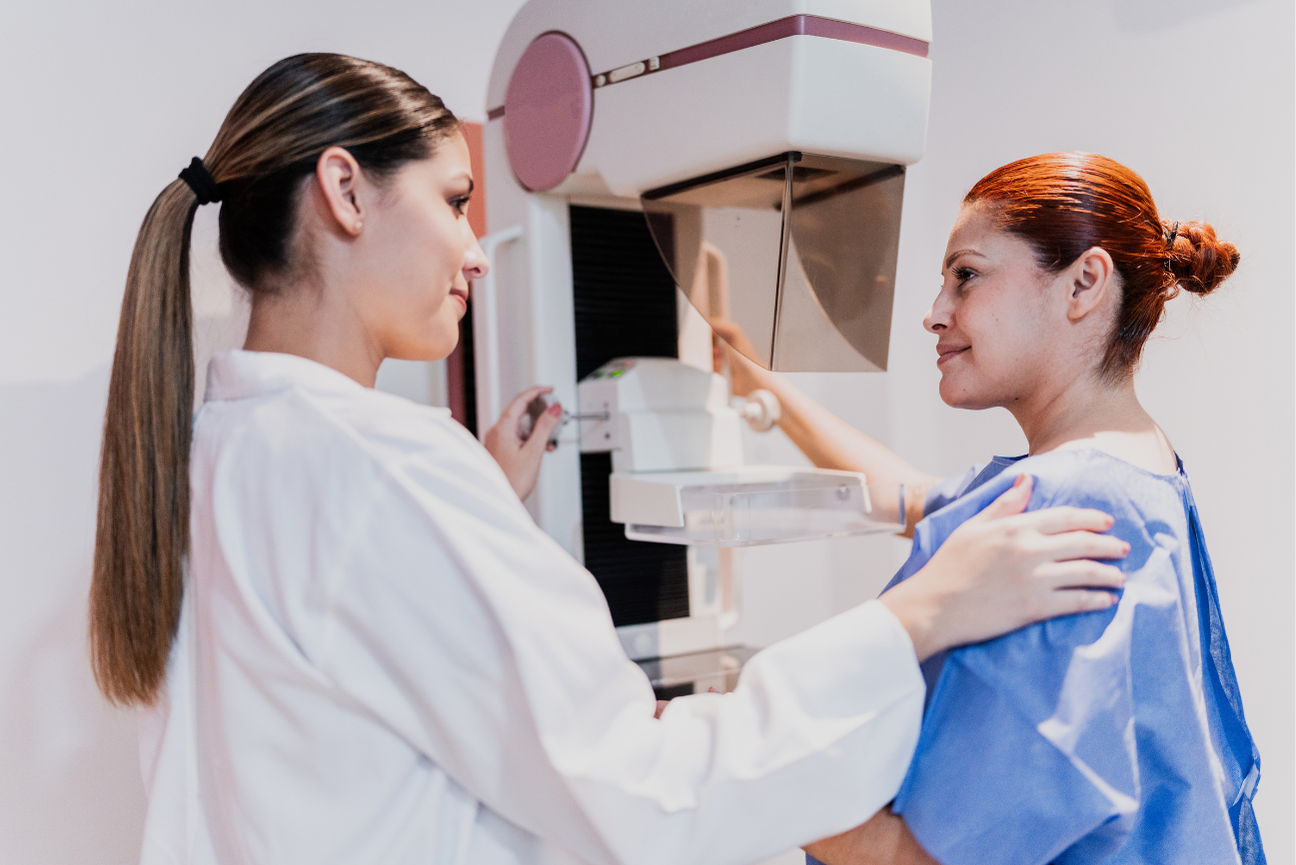
Breast cancer ranks as the most commonly diagnosed cancer in women worldwide. Early detection proves vital for survival. The survival rates tell a dramatic story – patients with early-stage breast cancer (stage 1) show 100% survival after 5 years from diagnosis. However, survival rates for metastatic breast cancer (stage 4) plummet to just 32% during the same period.
Biomarkers play a key role in breast cancer diagnosis and treatment planning. The medical team tests all breast cancers for three common biomarkers after surgery or biopsy: estrogen receptors, progesterone receptors, and a protein known as HER2. These biomarkers help doctors identify the cancer subtype and create the most effective treatment plan. The biomarker testing also helps predict the likelihood of early-stage breast cancer recurring, which guides important decisions about post-surgery treatments.
This piece explores hormone testing’s significance as the first step in breast cancer detection. We’ll examine how these tests work and their importance in improving patient outcomes in the battle against this disease.
Why Early Detection of Breast Cancer Is So Important
Early breast cancer detection saves lives. Better survival rates and less invasive treatments give patients a better chance to beat cancer. These benefits change a patient’s entire cancer trip. Let’s get into why finding breast cancer early matters.
Improved survival rates with early diagnosis
The numbers tell a powerful story about early detection. Breast cancer found in its earliest stage (before spreading outside the breast) has a 5-year relative survival rate of 99%. This means almost everyone diagnosed early has an excellent chance of survival. The survival rate drops to just 32% when cancer spreads to distant body parts.
Regular screenings make a real difference. Women who get screened regularly have a 26% lower death rate than those who skip screenings. Breast cancer deaths have dropped 44% since 1989, in part because of better screening and early detection.
Finding breast cancer before physical symptoms show up gives patients a huge advantage. Mammograms can spot cancerous changes years before symptoms appear. These screening tests can detect breast cancer up to two years before anyone can feel a lump.
Reduced treatment intensity and side effects
Early detection doesn’t just help survival rates – it often means simpler treatments. Studies comparing screen-detected cancers with symptom-found cancers show big differences:
- Screen-detected breast cancers need fewer mastectomies (14% vs. 36%) and lymph node removals (17% vs. 40%)
- Chemotherapy becomes less necessary (32% vs. 65%)
- Patients need less intensive radiation therapy
These differences exist because tumors found through screening tend to be smaller (1.55cm vs. 2.61cm) and less likely to spread to lymph nodes (24% vs. 46%). So when found early, breast cancer usually stays in the breast tissue. This makes it easier to treat with simpler options like breast-conserving surgery, targeted radiation, or hormone therapy.
The benefits go beyond avoiding major surgery. For aggressive breast cancers – especially triple negative and HER2 positive types – early detection leads to better response rates with pre-surgery therapy and excellent outcomes.
Better quality of life outcomes
Beyond survival rates, early detection substantially improves life quality. Studies show that women with screen-detected breast cancers live better than those whose cancers were found through symptoms.
A year after treatment, women with screen-detected cancers scored much better in several areas. These included general health, physical and cognitive function, social activities, fatigue levels, and overall well-being.
The reason makes sense: gentler treatments mean fewer side effects and faster recovery. Patients face less physical and emotional stress throughout their cancer trip. Women who had breast-conserving therapy reported better life quality than those needing mastectomies.
Research from Norway’s screening program found that women with screen-detected cancer scored 3.7 times higher on quality of life measures compared to those with symptomatic cancer. These benefits lasted long-term, showing how early detection can improve someone’s life during and after cancer treatment.
The Role of Hormones in Breast Cancer Development
Hormones are vital players in breast development and breast cancer. Scientists have learned a lot about how breast cancers develop, progress, and respond to treatment by studying this relationship.
Estrogen and progesterone influence on tumor growth
Research has shown that hormone imbalance, especially with estrogen and progesterone, leads to breast cancer development and progression. These two hormones naturally control breast tissue growth and development. Under certain conditions, they can accelerate cancer growth.
The ovaries produce most of the body’s estrogen. This hormone helps cell growth and controls gene expression in cell cycle progression and apoptosis (programmed cell death). Scientists now know that estrogen’s role in breast cancer is much more direct than they once thought. The hormone doesn’t just speed up breast cell division. It can cause genomic changes that lead to cancer. Harvard researchers explained that “estrogen directly alters how cells repair their DNA.” This makes it both a trigger and a cause of cancer development.
Progesterone works with estrogen to prepare breast tissue to get ready for potential pregnancy and helps mammary gland cells grow. Scientists focused more on estrogen’s role in breast cancer in the past. Now they recognize progesterone’s importance too. Seven out of ten breast cancer cases are hormone-receptor positive. These cancer cells grow because of estrogen and/or progesterone. Estrogen helps cancer cells thrive. Progesterone might help tumor cells hide from the immune system.
The way hormones affect breast cancer is complex. Estrogen binds to estrogen receptors (ERs) and progesterone to progesterone receptors (PRs) in breast cells. This triggers a chain of events inside cells that control cell growth and prevent cell death. Too much estrogen or problems with progesterone signaling can disrupt these processes. This leads to uncontrolled cell growth and tumors.
Hormonal imbalances change breast tissue’s environment beyond just affecting cells directly. To name just one example, estrogen helps blood vessels grow and creates growth factors. These help tumors form new blood vessels and spread. This can affect immune response in breast tissue and change how the immune system watches for tumors.
Hormone receptor-positive vs. negative cancers
Breast cells contain specialized proteins called hormone receptors. These proteins bind to hormones moving through the body. Cancer cells can grow when estrogen or progesterone attach to these receptors. Scientists use this biological relationship to classify breast cancers based on their hormone receptor status.
Breast cancers fall into these categories:
- ER-positive (ER+): Tumors that express estrogen receptors on their cell surface, comprising approximately 80% of all breast cancers
- PR-positive (PR+): Tumors with progesterone receptors
- Hormone receptor-positive (HR+): Cancers with one or both receptors above
- Hormone receptor-negative (HR-): Cancers lacking both estrogen and progesterone receptors
Doctors diagnose 70-80% of new breast cancers as hormone receptor-positive. A patient’s age affects hormone receptor status. Older women tend to have more hormone receptor-positive breast cancers than younger women.
Hormone receptors’ presence or absence changes how cancer behaves. Hormone receptor-positive cancers usually grow slower than hormone receptor-negative ones. Hormone receptor-negative breast cancers are more aggressive and occur more often in premenopausal women. These cancers might come back in the first few years after treatment.
A patient’s hormone receptor status determines their treatment plan. Doctors can treat hormone receptor-positive cancers by blocking hormones from attaching to receptors or lowering hormone levels in the body. They use selective estrogen receptor modulators (SERMs) like tamoxifen, aromatase inhibitors, and other endocrine therapies. Hormone receptor-negative cancers need different treatments because they won’t respond to these approaches.
Early hormone receptor testing helps doctors create individual-specific treatment plans. This makes hormone testing a vital part of breast cancer biomarker testing and early detection strategies.
What Is Hormone Testing in Breast Cancer?
Hormone testing is the life-blood of breast cancer diagnosis. The test results give doctors vital information that shapes treatment decisions. These tests show if cancer cells have receptors for estrogen, progesterone, or both—which directly shapes how doctors treat patients and what outcomes they can expect.
Understanding ER and PR status
Specialized proteins called hormone receptors exist inside and on breast cells. These capture signals from estrogen and progesterone in the bloodstream. These receptors help control normal cell function and growth in healthy breast tissue. But in breast cancer, these same receptors can accelerate cancer growth when hormones attach to them.
Doctors group breast cancers by their hormone receptor status into several types:
- ER-positive (ER+): Cancer cells have estrogen receptors and use estrogen for growth. About 70-80% of breast cancers are ER-positive.
- PR-positive (PR+): Cancer cells have progesterone receptors that use progesterone for growth.
- Hormone receptor-positive (HR+): Cancers with one or both receptor types.
- Hormone receptor-negative (HR-): Cancers without either estrogen or progesterone receptors.
A patient’s hormone receptors by a lot affect their outlook. HR-positive breast cancers usually respond better to hormone therapy, with these response rates:
- ER and PR positive: 75-80% response rate to hormone therapy
- ER positive and PR negative: 40-50% response rate
- ER negative and PR positive: 25-30% response rate
- ER negative and PR negative: 10% or less response rate
How hormone testing is performed
Doctors use immunohistochemistry (IHC) as the standard method for hormone receptor testing. This lab technique spots specific proteins in tissue samples. The test can find even tiny amounts of hormone receptors in breast cancer cells.
Doctors first get breast tissue through a biopsy or during surgery. They commonly use three main types of breast biopsies:
- Fine needle aspiration biopsy: A thin needle removes breast cells or fluid in about 15 minutes
- Core needle biopsy: A wider needle takes small tissue samples about the size of a grain of rice
- Surgical biopsy: Surgery removes all or part of a lump
Pathologists in the lab use special stains to make hormone receptors visible under a microscope. They report results in several ways:
- A percentage showing how many cells out of 100 have hormone receptors (from 0% to 100%)
- An Allred score between 0 and 8, which looks at both the percentage of positive cells and how strongly they show the receptors
- A simple “positive” or “negative” result
Doctors call cancer hormone receptor-positive if at least 1% of sample cells have estrogen receptors, progesterone receptors, or both. They label anything less than 1% as hormone receptor-negative.
When hormone testing is recommended
Every patient with invasive breast cancer or ductal carcinoma in situ (DCIS) needs hormone receptor testing. Labs usually test the original biopsy sample or tissue removed during surgery.
Test results tell doctors if hormone therapy will work. Cancer cells with hormone receptors might slow down or stop growing with treatments that block hormones or lower hormone levels. These treatments won’t help without receptors present.
Patients need new hormone tests if breast cancer returns after treatment. Cancer cells can change over time—hormone receptor-positive cancers might lose their receptors, while hormone receptor-negative cancers might develop them. About two-thirds of all breast cancers are hormone receptor-positive, which makes hormone therapy a valuable option for many patients.
Patients should stop taking prescribed hormones temporarily before tissue sampling to get accurate results. Doctors often test for HER2 status along with hormone receptors. These combined results create a complete cancer profile and help create individual-specific treatment plans.
Hormone Testing as a First Step in Early Detection
Using hormone testing as an innovative first step in breast cancer detection has changed our understanding of how this disease works at a biological level. Traditional detection methods mainly use imaging, but hormone testing helps us learn about cancer risk and development at the cellular level.
Why hormone testing is done before imaging in some cases
Hormone testing gives doctors information they can’t get from imaging alone. Doctors recommend this testing to check if hormone therapy treatments might work for a tumor. This approach works great when dealing with estrogen receptor-positive breast cancers, which respond to hormone therapy only about half the time. Understanding a tumor’s hormone receptor status helps create better treatment plans before moving to extensive imaging.
Hormone receptor status testing shows whether breast cancer cells have receptors for estrogen (ER) and progesterone (PR). Healthcare teams use this basic information to pick treatments that will best curb this specific type of cancer. The tumor’s hormone receptor status matters more for planning treatment than knowing its exact size from imaging.
How hormone levels can signal early changes
Blood tests that check hormone levels help detect breast cancer early—before imaging scans show any changes. These tests spot tiny cellular changes before physical symptoms appear. This early warning gives healthcare providers time to start treatment sooner.
The largest longitudinal study shows a clear link between breast cancer risk and blood levels of estrogens and testosterone. Women who have hormone levels in the top 20% face 2 to 3 times higher risk of developing breast cancer compared to those in the bottom 20%. Blood tests are a great way to get vital information about high-risk individuals who might need more screening or preventive care.
A single blood sample reflects long-term hormone levels accurately. This makes hormone testing as reliable as blood pressure or serum cholesterol measurements to predict disease.
Link between hormone imbalance and tumor formation
Scientists have found strong evidence linking hormonal imbalance to breast cancer development. We focused mainly on how changes in estrogen and progesterone levels affect breast cancer growth and spread.
New research shows estrogen plays a more direct role in breast cancer than we thought. Estrogen doesn’t just help cancer grow – it changes a cell’s DNA directly. Harvard researchers found that “estrogen directly induces genomic rearrangements that lead to cancer, so its role in breast cancer development is both that of a catalyst and a cause”. This innovative finding suggests this newly found mechanism might cause up to one-third of breast cancer cases.
Hormonal imbalance contributes to cancer development in several ways:
- Long exposure to hormones raises the risk of hormone receptor-positive breast cancer
- Breast cancers affected by estrogen and/or progesterone are hormone receptor-positive breast cancer
- These hormones in the body help tumors grow
Doctors use hormone testing to spot these imbalances and take action before cancer gets worse, making it vital for catching cancer early.
Key Biomarkers for Breast Cancer Detection
Breast cancer detection and treatment planning have transformed through the discovery of specific biomarkers. These molecular signals give doctors vital information about how tumors behave, which helps them create the most effective treatment plan for each patient.
Estrogen receptor (ER)
Breast cells contain proteins called estrogen receptors that can trigger cancer growth when estrogen activates them. About 80% of all breast cancers are estrogen receptor-positive (ER+). Pathologists test cancer cells to check for these receptors because tumors with estrogen receptors often respond well to hormone therapy that blocks estrogen’s effects. Doctors use immunohistochemistry (IHC) testing with special stains to see these receptors under a microscope. A cancer qualifies as ER-positive if estrogen receptors appear in at least 1% of tested cells. The ER status plays a key role in treatment decisions because ER-positive cancers usually grow slower and respond better to hormone-blocking therapies.
Progesterone receptor (PR)
Progesterone receptors work like estrogen receptors by binding to the hormone progesterone and can affect cancer cell growth. PR status helps predict outcomes, and tumors with high PR levels usually have better baseline prognosis. Tumors that test positive for both ER and PR (82.9% of hormone receptor-positive cancers) show better response to drugs like tamoxifen compared to those that are ER-positive but PR-negative (15.0% of cases). High PR levels often point to less aggressive tumors (luminal A subtype) rather than those with poor baseline prognosis (luminal B subtype).
HER2 status
HER2 (human epidermal growth factor receptor 2) helps breast cancer cells grow rapidly. Between 15-20% of breast tumors show higher-than-normal HER2 levels and get classified as HER2-positive. Doctors test for HER2 using immunohistochemistry (IHC) or fluorescence in situ hybridization (FISH) methods. Results follow this scale:
- IHC 0 (no staining): HER2-negative
- IHC 1+ or 2+ with negative FISH: HER2-low
- IHC 2+ with positive FISH or IHC 3+: HER2-positive
HER2-positive cancers spread faster than HER2-negative ones but respond well to targeted therapies designed specifically to attack HER2 proteins.
Ki-67 proliferation index
Ki-67, a protein linked to cell proliferation, shows how fast cancer cells divide. Higher Ki-67 levels point to more aggressive tumor growth and worse outcomes. The Ki-67 score shows what percentage of cancer cells test positive for this protein. Different cutoff points matter clinically – scores above 20% might indicate more aggressive luminal B subtype breast cancers, while scores above 40% in triple-negative breast cancer suggest higher risks of recurrence and death. Doctors now use Ki-67 to assess prognosis, guide additional therapy decisions, and predict how patients might respond to pre-surgery therapy in certain breast cancer types.
Circulating tumor DNA (ctDNA)
Blood contains fragments of cancer cells’ DNA called circulating tumor DNA. This biomarker allows “liquid biopsies” to detect cancer’s return before physical symptoms show up. ctDNA lasts only 15 minutes to 2.5 hours, providing up-to-the-minute information about tumor changes. Research shows that finding ctDNA after treatment links to worse outcomes – patients who still have ctDNA after therapy face higher chances of cancer returning. While still new as a screening tool, ctDNA analysis looks promising to detect breast cancer early and track how well treatment works.
CA 15-3 and CA 27-29
Doctors use these protein biomarkers to track treatment response in advanced breast cancer. CA 15-3 and CA 27-29 measure similar antigens, so doctors rarely order both tests. Normal CA 27-29 levels stay under 38 U/mL, and higher numbers might mean cancer growth. Rising levels could suggest cancer spread, especially to bones or liver. These markers work best to track treatment effectiveness and spot returning cancer, rather than making initial diagnoses since other conditions can also raise these levels.
How Hormone Testing Guides Treatment Decisions
Hormone test results shape how doctors treat breast cancer patients. These tests are the foundation that helps doctors create effective treatment plans specific to each patient.
Hormone therapy options based on test results
Test results determine which treatment path works best. Doctors can choose from several therapy options when treating hormone receptor-positive cancers:
- Selective estrogen receptor modulators (SERMs) like tamoxifen block estrogen from binding to breast cancer cells and reduce their growth signal. Tamoxifen remains one of the most-prescribed hormone therapies that doctors give to premenopausal women with breast cancer.
- Aromatase inhibitors such as anastrozole (Arimidex), letrozole (Femara), and exemestane (Aromasin) reduce estrogen production throughout the body. Doctors prescribe these medications to postmenopausal women or combine them with ovarian suppression for premenopausal patients.
- Ovarian suppression therapy through drugs like goserelin (Zoladex) or leuprolide (Lupron) stops the ovaries from producing estrogen. Doctors often recommend this approach for younger women with high-risk ER-positive breast cancer.
Hormone therapy usually lasts 5-10 years. Research shows extended treatment benefits many patients who face higher risks of recurrence.
Avoiding unnecessary chemotherapy
Breakthrough research has revolutionized treatment recommendations for thousands of women. The landmark TAILORx trial showed that about 70% of women with estrogen-sensitive, HER2-negative, lymph node-negative breast cancer can safely skip chemotherapy.
The Oncotype DX test looks at 21 genes to calculate a recurrence risk score from 0-100. This test helps doctors make key decisions:
- Low risk (0-10): Hormone therapy alone works best
- Intermediate risk (11-25): Most postmenopausal women and many premenopausal women don’t need chemotherapy
- High risk (26+): Patients need both hormone therapy and chemotherapy
Note that some women under 50 with scores between 16-25 might still benefit from adding chemotherapy to their hormone therapy.
Personalized treatment planning
Test results do more than determine if a patient needs hormone therapy – they help create individual-specific treatment approaches. The ADAPT study found specific groups of patients who can safely receive hormone therapy alone:
- Patients with 0-3 positive lymph nodes and Oncotype DX scores of 0-11
- Patients with 0-2 positive lymph nodes, an Oncotype DX score of 12-25, and a Ki-67 tumor score below 10%
New imaging tests can now show if estrogen receptors in tumors actually respond to therapy. This helps patients avoid months of treatments that don’t work while their disease progresses.
Detailed hormone testing helps doctors match treatments to each tumor’s biology. This maximizes effectiveness and minimizes side effects – key goals of early detection and precision medicine.
Limitations and Challenges of Hormone Testing
Despite new advances in hormone testing technology, getting accurate diagnosis and treatment plans still faces several challenges. Understanding the testing process plays a key role in interpreting results that help detect breast cancer early.
False negatives and variability in results
Hormone receptor testing shows worrying variations even with standard protocols. Studies show disagreement rates of 10% to 20% when comparing different testing methods on the same samples. A recent case in Canada revealed something even more concerning – a 40% misclassification rate between local and central labs. This discovery raised urgent concerns about measuring estrogen receptors accurately.
False-negative results are especially worrying because patients who could benefit from hormone treatments might not receive them. Different labs analyzing the same specimens show false-negative rates for estrogen receptor status as high as 60%.
Several issues cause these differences:
- Variable tissue fixation and processing
- Differences in antigen retrieval techniques
- Pathologists’ subjective scoring
- Pre-analytical factors like cold ischemic time (delay before fixation)
Low estrogen receptor positive breast cancers create special challenges. These borderline cases make up just 2-3% of ER-positive cancers but are more likely to show testing variations.
Differences in testing methods
The choice of testing method affects results by a lot. Immunohistochemistry (IHC), the standard test for hormone receptors, has built-in limits like low dynamic range and signal intensity saturation. Fluorescent detection systems show better sensitivity and can find ER-positive cases that IHC originally missed.
The type of counterstain used changes how results look. Darker counterstains make it hard to spot weak estrogen receptor staining. Digital image systems also struggle with borderline cases.
Labs find it hard to standardize preanalytical variables. Research shows specimens collected late in the week often get wrongly labeled as hormone receptor-negative compared to samples processed quickly.
Need for complementary biomarker tests
Looking at hormone receptor status alone doesn’t tell the whole story. A multi-marker approach gives better accuracy for early breast cancer detection since no single test is perfect.
Biomarkers can change as time passes. A test only shows one moment in time, but receptor status evolves – hormone receptor-positive cancers might lose receptors while negative ones could develop them. That’s why doctors recommend new hormone receptor tests if cancer comes back after treatment.
Testing both the original tumor sample and any new biopsy at the same time helps reduce variations in analysis. When results don’t match, doctors should try other testing methods like fluorescence in situ hybridization for HER2 or mRNA-based measurement for ER.
The medical community must keep working on standardization while developing new technologies. This ensures biomarker testing stays reliable for detecting cancer early.
Future of Early Detection: Combining Hormone Testing with Other Biomarkers
Recent breast cancer screening technologies have expanded beyond traditional hormone testing and created new possibilities for earlier, more accurate detection.
Multi-analyte blood tests
Single biospecimen multi-analyte blood tests mark a significant development in breast cancer detection. CancerSEEK analyzes eight circulating protein markers along with mutations in 16 genes. Notwithstanding that, its performance varies significantly. The test detects ovarian cancer with 98% accuracy but shows only 33% sensitivity for breast cancer. A newer methylation panel that covers over 100,000 DNA regions has shown more promise by detecting breast cancer with 93% precision in validation studies. On top of that, a study with 6,190 samples showed that combining methylation and protein biomarkers achieved 50.9% sensitivity at 98.5% specificity in a variety of cancer types.
Integration with genomic profiling
The combination of hormone receptor status and detailed genomic analysis helps scientists learn about tumor biology better. Multi-cancer early detection (MCED) tests exploit the shared biology of cancer cells from different tissues. These tests evaluate multiple features of circulating tumor DNA, including mutation profiles, methylation signatures, and fragmentation patterns. Scientists often include other biomarkers such as circulating tumor cells, cell-free RNA, and exosomes in these tests. Sophisticated algorithms and artificial intelligence make these integrated approaches better than separate organ-specific screening tests.
Potential of liquid biopsies and breath tests
Liquid biopsies that analyze circulating tumor DNA are great non-invasive tools. Research indicates ctDNA concentrations at levels ≥0.75% can be detected with >90% sensitivity and >99% specificity. Breathomics analysis of volatile metabolites in exhaled breath opens another exciting frontier. The BreathBC test uses ten optimal volatile organic compound markers and achieved a remarkable 0.87 area under the curve in external validation. The BreathBC-Plus test, which includes risk factors, improved performance to 0.94 AUC. Detection rates reached 96.97% for ductal carcinoma in situ and ranged from 85.06% to 100% across different cancer stages.
Conclusion
Breast cancer detection through hormone testing is a vital first step to fight this widespread disease. The numbers tell a compelling story – patients with early-stage breast cancer have a 100% survival rate compared to just 32% for metastatic cases. These statistics show why finding cancer early makes such a big difference.
Hormone tests give doctors information about estrogen and progesterone receptors that they can’t get from imaging alone. The tests show if cancer cells will respond to hormones, which helps decide if hormone therapy will slow or stop cancer growth. These hormone levels can also reveal changes before physical symptoms appear, giving doctors precious extra time to act.
Biomarker testing goes beyond hormone receptors. HER2 status, Ki-67 proliferation index, and new markers like circulating tumor DNA work together to create a complete profile of each patient’s cancer. Doctors use this detailed picture to make smart choices about treatment intensity. This approach helps many women avoid unnecessary chemotherapy while ensuring others get the treatment they need.
Some challenges still exist. Test results can vary, false negatives happen, and different testing methods can affect outcomes. The medical community needs to keep working on standardizing tests while technology improves to ensure accurate biomarker testing.
The road ahead looks bright. Scientists are working on multi-analyte blood tests and combining hormone testing with genomic profiling. New ideas like liquid biopsies and breath tests could improve our ability to find breast cancer when it’s easiest to treat.
Women who catch breast cancer early have much better outcomes. They live longer, need less intense treatment, and enjoy a better quality of life. Hormone testing isn’t just another diagnostic tool – it opens the door to gentler treatments, fewer side effects, and better lives for millions of women around the world.