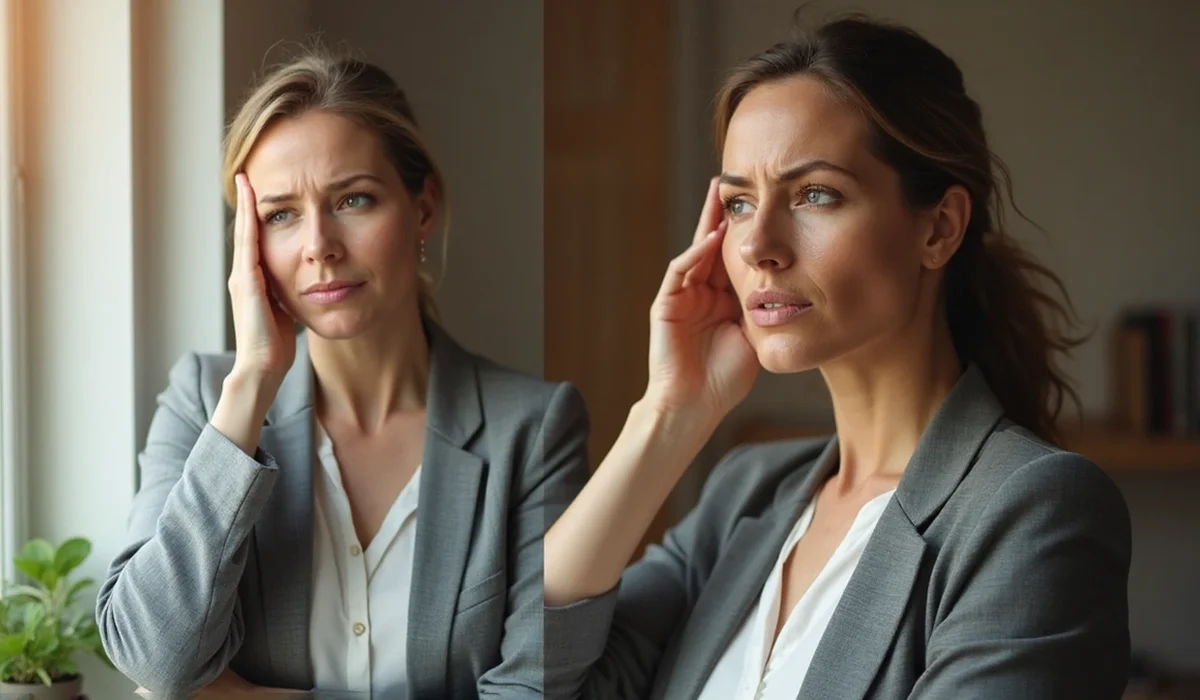
As Menopause Awareness Month unfolds, I find myself reflecting on the countless women I’ve supported through this natural transition. I know firsthand how challenging it can be—those relentless hot flashes, night sweats, mood swings, and fatigue that disrupt daily life, much like the symptoms captured in our Hormone Balance Assessment. These experiences are valid and deserve attention, yet I’m concerned about the direction awareness has taken. While greater visibility promises empowerment, the multibillion-dollar menopause industry often favors profits over genuine healing, leaving women underdosed on hormones and dependent on endless symptom relief. In this article, I’ll explore the evolution from silence to spotlight, the profit-driven forces at play, the consequences of underdosing, the real toll on women’s lives, and a more compassionate path forward through functional medicine.
The Shift from Silence to Spotlight
Not long ago, menopause was a topic shrouded in whispers, something women endured quietly without much support or open dialogue. I remember hearing stories from my own family about feeling isolated during this phase, with little resources available. But in recent years, that’s changed dramatically. Celebrities like Naomi Watts and Halle Berry have shared their journeys publicly, discussing symptoms on major platforms and even launching their own product lines. Beauty and wellness brands have jumped in with dedicated menopause collections, from supplements to skincare. Influencer physicians build massive followings by addressing midlife health, and telehealth clinics promise convenient, subscription-based care right from your phone.
At first, this shift feels like a victory—finally, women are being seen and heard. It breaks the stigma, validates experiences, and makes resources more accessible. I’ve seen how this openness encourages women to seek help sooner, fostering a sense of community. Yet, as I delve deeper, I see a troubling undercurrent: this newfound attention is increasingly steered by commercial agendas, turning personal struggles into marketable opportunities.
Behind the Gloss: A Profit-Driven Industry
The menopause market is booming, valued at around $18.85 billion in 2025 and projected to reach $24.28 billion by 2029. This growth isn’t accidental; it’s fueled by a web of players including beauty brands, supplement companies, influencer doctors, and telehealth services like Alloy and Midi Health, which market hormone therapies and other treatments through apps and subscriptions.
These entities often portray menopause as a “condition” ripe for intervention, promoting products like creams, patches, and unverified supplements. While some offer value, the focus is frequently on symptom management rather than resolution, creating a cycle of dependency. For instance, brands capitalize on the hype with retreats and conventions hosted by A-list celebrities, blending empowerment with sales pitches. This commercialization raises questions: when awareness becomes a business model, who truly benefits? Women deserve solutions that address root causes, not just Band-Aids that keep them coming back for more.
The Underdosing Dilemma: Keeping Women Symptomatic
One of the most disheartening aspects I’ve encountered is the widespread underdosing of hormones in menopause care. Many women are prescribed low doses that barely scratch the surface, leaving them in a state of ongoing deficiency. This stems largely from lingering fears tied to the 2002 Women’s Health Initiative (WHI) study, which linked combined hormone therapy to increased risks of breast cancer, heart disease, and strokes. The study, while influential, has been critiqued for its design—focusing on older women and synthetic hormones, leading to misconceptions that persist today.
Current research clarifies that for women under 60 or within 10 years of menopause, hormone therapy can be safe and beneficial when properly dosed. Yet, black box warnings and commercial caution keep doses minimal, perpetuating symptoms like night sweats, brain fog, and vaginal dryness. This approach not only fails to restore balance but also opens the door for selling additional products to “manage” what’s left untreated. I empathize deeply with women who feel gaslit—told their labs are normal while their bodies scream otherwise. True healing requires optimal dosing tailored to individual needs, not a one-size-fits-all minimalism driven by fear and profit.
The True Cost: Women’s Health and Well-Being
The repercussions of this system are profound and personal. Untreated or inadequately managed menopause symptoms take a heavy toll on physical health, leading to chronic fatigue, bone loss, and increased risks for conditions like osteoporosis and heart disease. Emotionally, the isolation and frustration can exacerbate mood swings and depression, eroding self-confidence.
Financially, women bear the burden of ongoing purchases—supplements, therapies, and doctor visits that add up without resolving issues. Productivity suffers too; studies show menopause-related symptoms cause missed workdays, reduced efficiency, and even career changes, with 13% of women facing adverse work outcomes. Quality of life diminishes as simple joys fade amid persistent discomfort. This “sisterhood of suffering” is often romanticized in marketing, turning shared hardship into a brandable narrative. I see it in the stories women share with me—the exhaustion of cycling through partial fixes, feeling unseen. It’s time to prioritize resolution over revenue.
A Compassionate Alternative: Root-Cause Functional Medicine
In my practice at A Balanced You, I advocate for a different path: functional medicine that seeks root causes and full restoration. This means personalized testing to uncover imbalances, then using bioidentical hormone replacement therapy (BHRT) at optimal doses to mimic your body’s natural rhythms. BHRT has shown benefits in alleviating hot flashes, improving mood, enhancing sleep, and supporting bone health, all with a focus on safety for appropriate candidates.
Our Hormone Balance Assessment serves as a gentle starting point, helping identify issues like low estrogen or progesterone without the pressure of unnecessary products. By integrating lifestyle changes, nutrition, and targeted therapies, we aim for lasting vitality, reducing reliance on endless management. This approach honors your unique story, empowering you to thrive rather than just survive.
Conclusion
Menopause awareness must evolve beyond commercialization to truly serve women, focusing on health over profits. We’ve seen how the industry’s gloss hides underdosing and dependency, exacting a steep price on well-being. But there’s hope in functional alternatives that prioritize genuine healing. If you’re navigating these challenges and ready for personalized support, I invite you to schedule a discovery call today. Let’s uncover your path to balance together.